


Newsletter



By Appointment to His Majesty The King
Supplier and Manufacturer of Linens
Richard Haworth Ltd
Manchester
 Why Choose Our Bed Linen
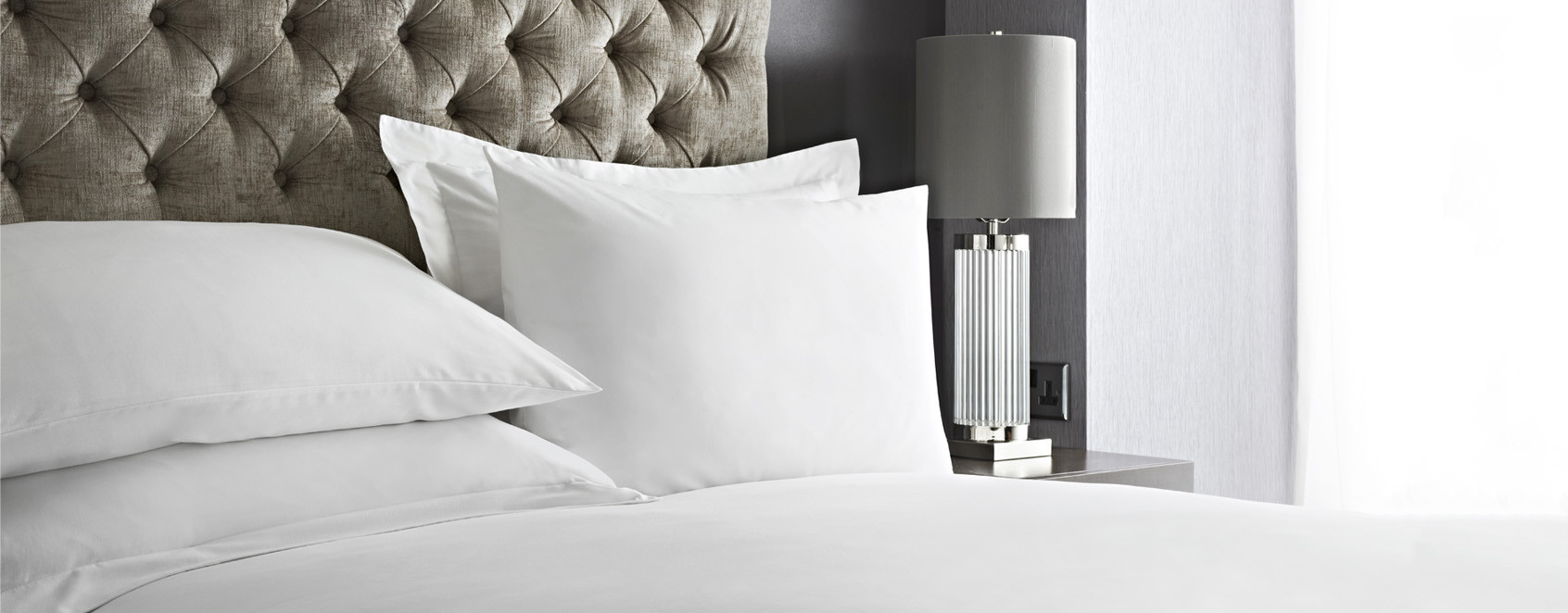
Crafted from responsibly sourced cotton, our bed linen offers the perfect balance of softness, breathability, and elegance. Designed for the rigours of hospitality use, it delivers lasting comfort, hotel-quality performance, and timeless style in every setting.

Crafted from premium cotton for exceptional softness and absorbency, our bath linen offers hotel-quality durability wash after wash. Responsibly made with a focus on comfort, style, and lasting performance.

Trusted by leading establishments across the UK, our table linen is renowned for its quality, durability, and refined appearance. Designed for the rigours of busy service, it maintains a crisp, elegant finish wash after wash — helping to make every dining occasion feel special.
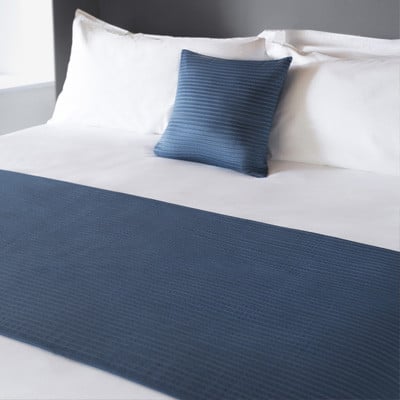
Add colour and comfort to any bedroom with soft furnishings that combine style, quality, and practicality. Many of our pieces are proudly made in the UK, designed to bring warmth and personality to every space.

Add a personal touch with expertly finished embroidery, all produced in the UK. From logos to names, our embroidery service blends craftsmanship and care to create a distinctive, high-quality finish that sets your linens apart.

How you feel during your waking hours hinges greatly on how well you sleep. Similarly, the cure for sleep difficulties can often be found in your daily routine. Your sleep schedule, bedtime habits, and day-to-day lifestyle choices can make an enormous difference to the quality of your nightly rest. Here are our top tips to keeping you productive, mentally sharp, emotionally balanced, and full of energy all day long.
Melatonin is a naturally occurring hormone controlled by light exposure that helps regulate your sleep-wake cycle and is controlled by light exposure. Your brain should secrete more in the evening, when it’s dark, to make you sleepy, and less during the day when it’s light and you want to stay awake and alert. However, many aspects of modern life can disrupt your body’s natural production of melatonin and with it your sleep-wake cycle. There are a few ways that you can naturally regulate your sleep-wake cycle, boost your body’s production of melatonin, and keep your brain on a healthy schedule:
If you make a consistent effort to relax and unwind before bed, you will sleep more easily and more deeply. A peaceful bedtime routine sends a powerful signal to your brain that it’s time to wind down and let go of the day’s stresses. Make your bedroom more sleep friendly by keeping noise down, keeping your room cool and making sure your bed is comfortable. Relaxing bedtime rituals such as reading a book, taking a warm bath, listening to gentle music or doing some gentle stretches can really help your body prepare for sleep.
Daytime eating and exercise habits play a role in how well you sleep. It’s particularly important to watch what you put in your body in the hours leading up to your bedtime. To help get the best night’s sleep, stay away from heavy and rich foods in the evenings, avoid alcohol before bed and cut down on caffeine.
Do you find yourself unable to sleep or waking up night after night? Residual stress, worry, and anger from your day can make it very difficult to sleep well. Relaxation is beneficial for everyone, but especially for those struggling with sleep and practicing relaxation techniques before bed is a great way to wind down, calm the mind, and prepare for sleep. Some simple relaxation techniques include: deep breathing, progressive muscle relaxation and visualizing a peaceful, restful place.
Make sure you have a high-quality mattress (memory foam mattresses are great at supporting your back, neck and pressure points during sleep), lined with a comfy bed topper for maximum comfort. Choose your bedding carefully, opting for silky, natural-fibre sheets in a soothing colour, which are clean and fresh. Comfortable pillows which are both supportive and soothing are also a must!