Newsletter


By Appointment to His Majesty The King
Supplier and Manufacturer of Linens
Richard Haworth Ltd
Manchester

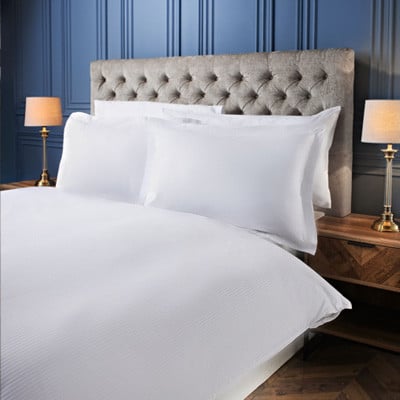 Why Choose Our Bed Linen
Crafted from responsibly sourced cotton, our bed linen offers the perfect balance of softness, breathability, and elegance. Designed for the rigours of hospitality use, it delivers lasting comfort, hotel-quality performance, and timeless style in every setting.
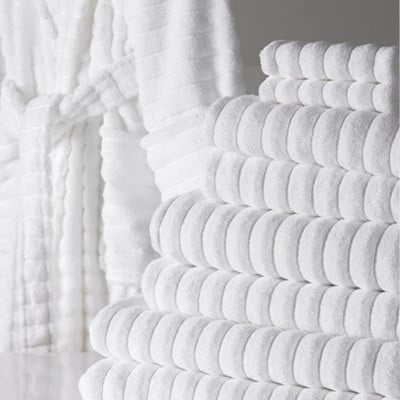
Crafted from premium cotton for exceptional softness and absorbency, our bath linen offers hotel-quality durability wash after wash. Responsibly made with a focus on comfort, style, and lasting performance.

Trusted by leading establishments across the UK, our table linen is renowned for its quality, durability, and refined appearance. Designed for the rigours of busy service, it maintains a crisp, elegant finish wash after wash — helping to make every dining occasion feel special.
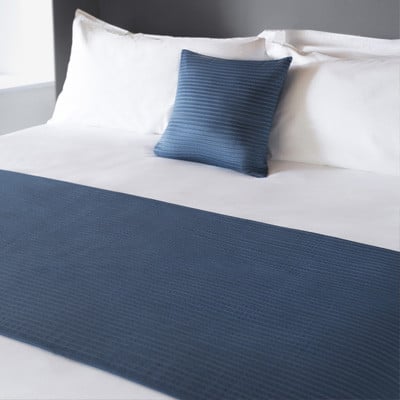
Add colour and comfort to any bedroom with soft furnishings that combine style, quality, and practicality. Many of our pieces are proudly made in the UK, designed to bring warmth and personality to every space.
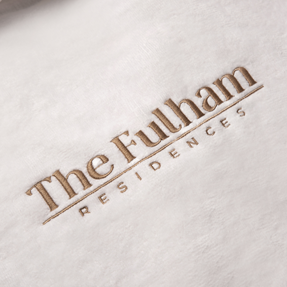
Add a personal touch with expertly finished embroidery, all produced in the UK. From logos to names, our embroidery service blends craftsmanship and care to create a distinctive, high-quality finish that sets your linens apart.

Richard Haworth has been a leading name in British textiles since 1876 — 150 years of manufacturing in the North West of England. This is our story.
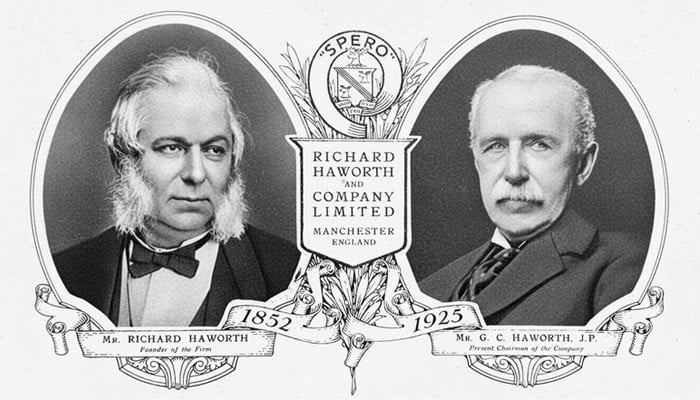
Richard Haworth & Co begins trading in Manchester as yarn and cloth commission agents, at the heart of the world’s cotton industry. The firm takes the trade mark ‘Spero’, meaning ‘I hope’, drawn from its motto — a name that would soon be known far beyond Lancashire.
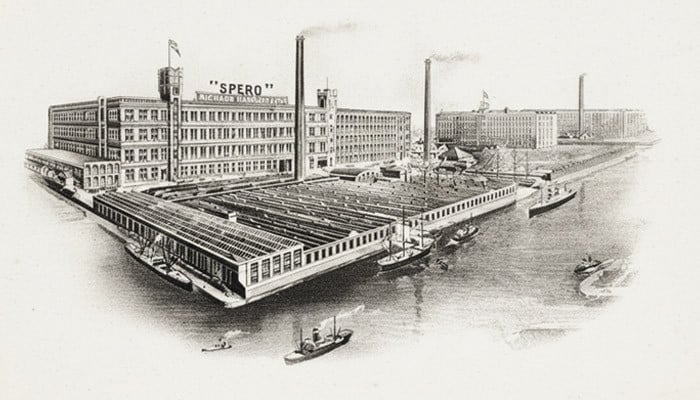
What started in a small weaving shed grows into a great mill complex. Across 150,000 spindles, the company spins the thread for its 4,000 looms.
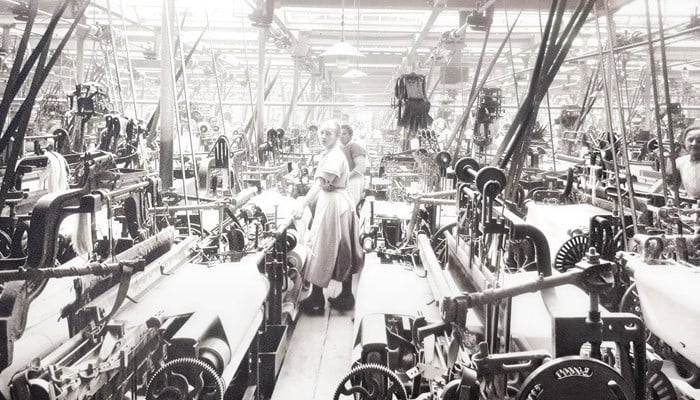
By the turn of the century the mills are producing 30,000,000 yards of cloth a year, and the workforce reaches 4,000 people. ‘Haworth’ Satinette — woven for blouses and underwear under the Spero make — carries the company’s name around the world.
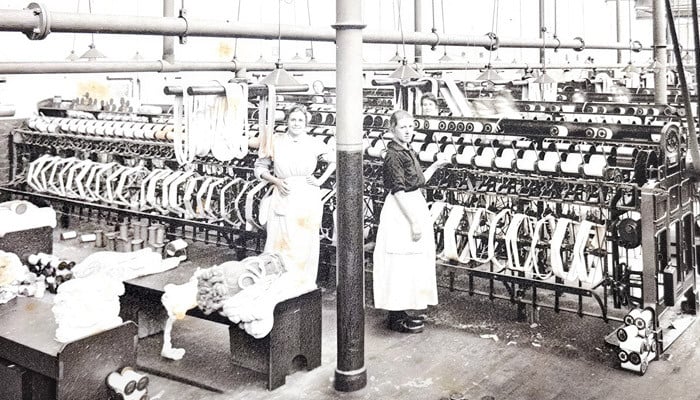
War and new competition overseas send British cotton into decline, closing 800 mills across Lancashire — yet the Spero looms keep running. The company adapts, adding rayon, the ‘artificial silk’ of the age, to an ever-wider range of cloths.

The Manchester Blitz destroys one of the company’s three sites. Production carries on at the Ordsall and Tatton mills — through war and rationing, the business endures.
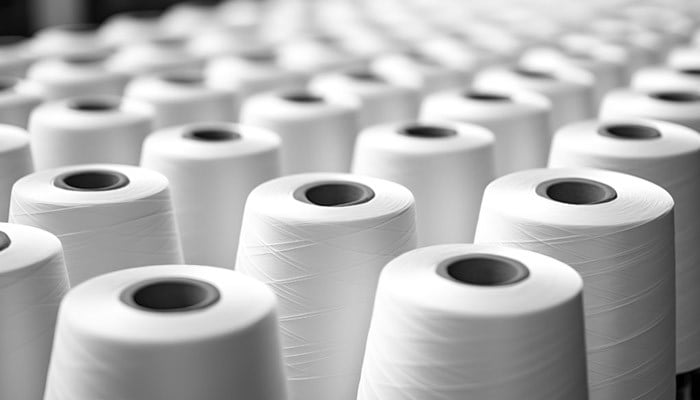
The company broadens its range far beyond yarn and cloth, offering a wide variety of cotton products including dress fabrics, shirtings, handkerchiefs and industrial cloth.
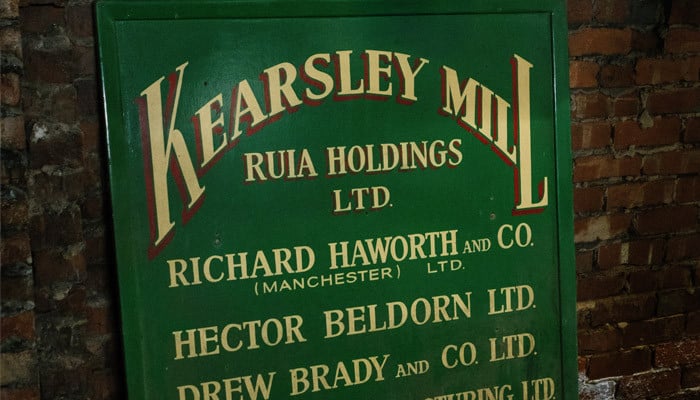
Richard Haworth is purchased by the Ruia Group, the family-owned textile group to which the company still belongs today. With new investment comes a new focus: the company modernises and becomes a leading supplier to the textile rental and hospitality sectors, dressing the beds and tables of hotels and restaurants across the UK.
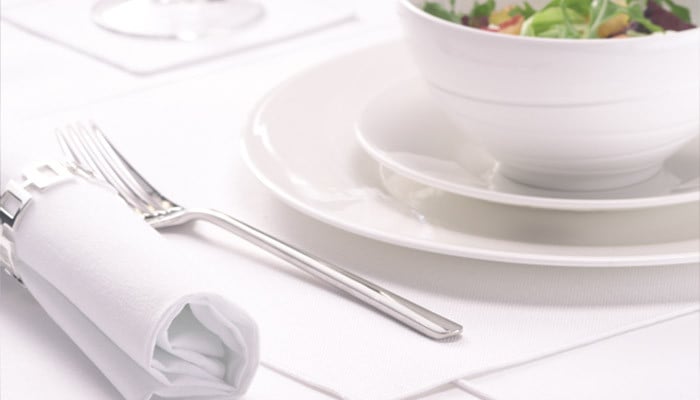
Richard Haworth becomes the first to introduce polyester table linen to the hospitality industry. Visa offers the feel of cotton with the durability of polyester — where pure cotton shrank by up to ten per cent, Visa delivers less than two — and quickly becomes the industry standard.
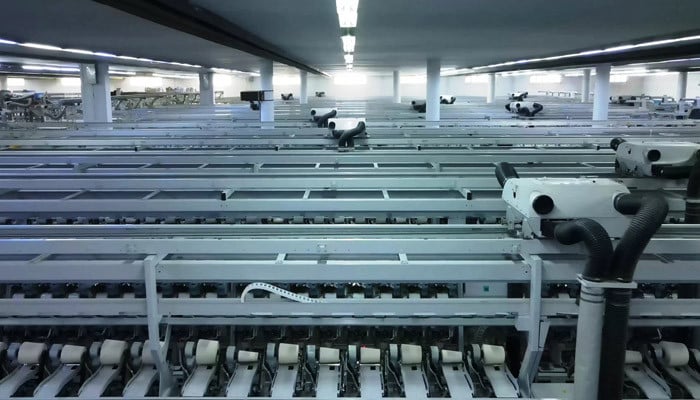
As the business grows, sourcing goes global. Over the years Richard Haworth works with some of the world’s finest mills — names like Milliken and Bombay Dyeing — combining British standards with the best of global manufacturing. Some of these partnerships have endured for decades and continue today.
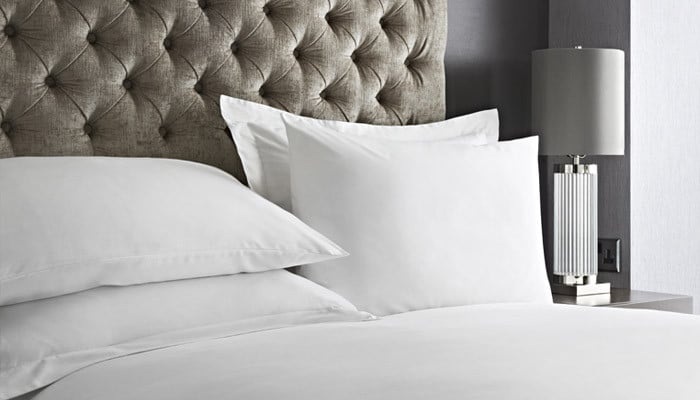
The launch of Prima marks a landmark moment: the UK’s first cotton-rich bed linen designed specifically for hospitality. Its unique cotton–polyester blend offers the crisp freshness of cotton with the resilience of polyester — cutting drying times by up to 20 per cent and dramatically reducing shrinkage. Linen rental operators hail it as the best linen product they have ever processed.
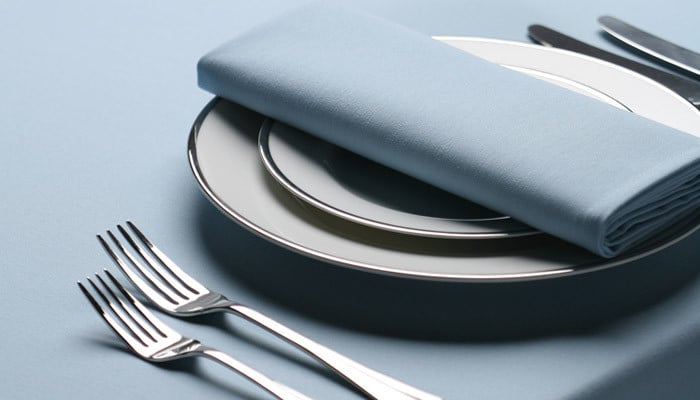
The launch of Optima marks a new era in bed linen technology. A built-in stain release system reduces soil adhesion, while moisture-repellent technology means the fabric dries faster and needs far less ironing. Tear strength improves too, extending the life of the fabric by as much as 25 per cent — and its silky smooth handle makes every guest experience more luxurious.
On the table, the renowned Signature range — celebrated for its Softouch technology and outstanding colourfastness — is reimagined with Repreve recycled polyester. Each Signature Plus tablecloth incorporates up to 29 recycled plastic bottles, and in independent trials eight out of ten customers preferred Signature to any other fabric. It becomes the most popular table linen in UK hospitality, proof that luxury and sustainability can go hand in hand.
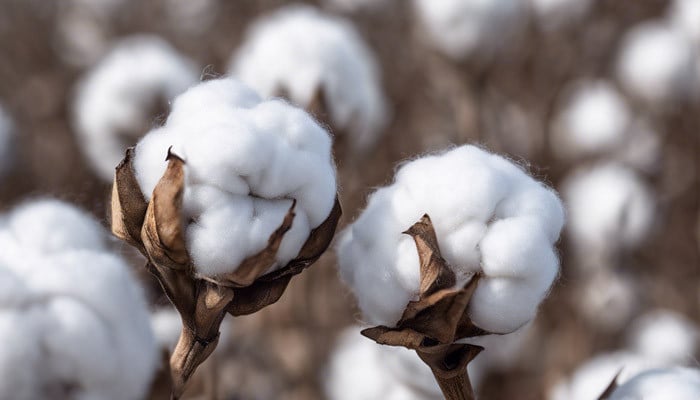
Sustainability becomes woven into everything the company does. Having joined Better Cotton in 2019, Richard Haworth now sources more than 80 per cent of all its cotton as Better Cotton, with a target of 90 per cent by 2028. A 620-panel solar array is installed on the roof of Kearsley Mill, providing 50 per cent of the site’s electricity and saving an estimated 40.9 tonnes of CO2 each year — the Victorian mill now powered by the sun. The company also achieves GOTS and Global Recycled Standard certification, maintains ISO 14001, and is awarded the EcoVadis Silver Medal, placing it in the top 15 per cent of companies assessed globally for sustainability.
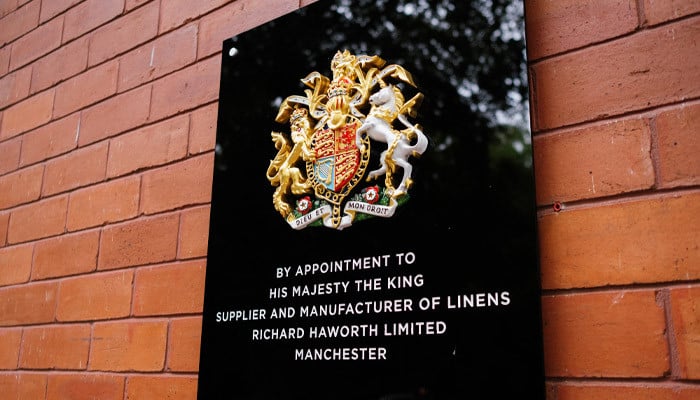
In its 150th year, Richard Haworth is granted a Royal Warrant of Appointment to His Majesty The King as supplier and manufacturer of linens — recognition of a century and a half of British craftsmanship, and of the generations of skilled people at Kearsley Mill who make it possible.