


Newsletter

By Appointment to His Majesty The King
Supplier and Manufacturer of Linens
Richard Haworth Ltd
Manchester

 Why Choose Our Bed Linen
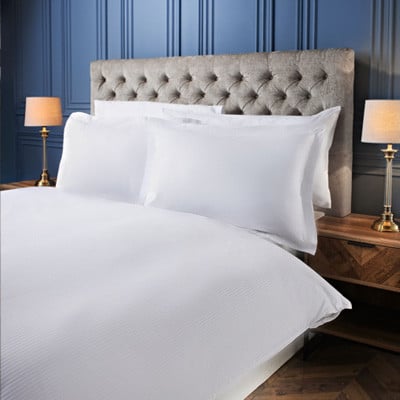
Crafted from responsibly sourced cotton, our bed linen offers the perfect balance of softness, breathability, and elegance. Designed for the rigours of hospitality use, it delivers lasting comfort, hotel-quality performance, and timeless style in every setting.
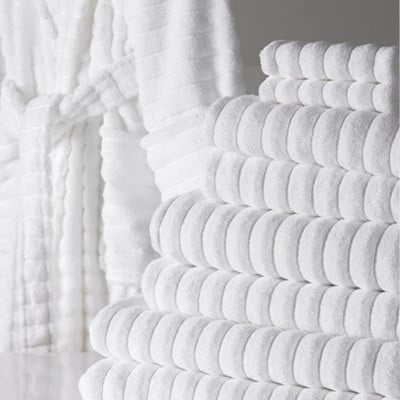
Crafted from premium cotton for exceptional softness and absorbency, our bath linen offers hotel-quality durability wash after wash. Responsibly made with a focus on comfort, style, and lasting performance.

Trusted by leading establishments across the UK, our table linen is renowned for its quality, durability, and refined appearance. Designed for the rigours of busy service, it maintains a crisp, elegant finish wash after wash — helping to make every dining occasion feel special.
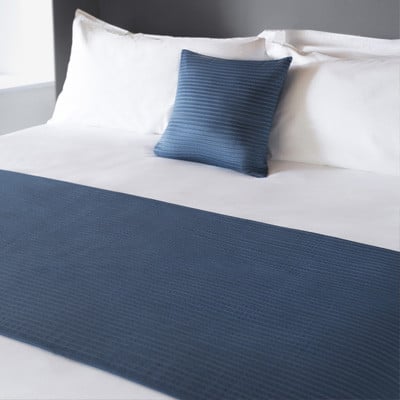
Add colour and comfort to any bedroom with soft furnishings that combine style, quality, and practicality. Many of our pieces are proudly made in the UK, designed to bring warmth and personality to every space.
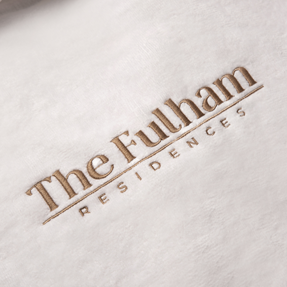
Add a personal touch with expertly finished embroidery, all produced in the UK. From logos to names, our embroidery service blends craftsmanship and care to create a distinctive, high-quality finish that sets your linens apart.
By Appointment to His Majesty The King
Supplier and Manufacturer of Linens
Richard Haworth Ltd, Manchester
Heritage Manchester-based linen manufacturer and supplier receives Royal recognition as it celebrates 150 years of leading linen expertise and quality control.
Richard Haworth, one of the UK's longest-established textile manufacturers and the leading British supplier of bed, bath and table linens to the luxury hospitality sector, has been awarded a Royal Warrant of Appointment to His Majesty King Charles III as Supplier and Manufacturer of Linens. The honour is granted in the company's 150th anniversary year and recognises its enduring quality, craftsmanship and dedication to sustainable processes.
Royal Warrants, awarded to companies that have provided goods or services to the Royal Household, represent one of the most rigorous and prestigious commercial endorsements in the UK. The accolade places Richard Haworth among a select community of British manufacturers operating at the highest level of quality and service, alongside the likes of Champagne Louis Roederer, Bentley Motors and Twinings.
“To be recognised with a Royal Warrant in our 150th year is the most extraordinary honour and a tremendous endorsement of British manufacturing. It reflects the dedication of every team member at Kearsley Mill, past and present, who has helped uphold the standards Richard Haworth has been known for since 1876. We are immensely proud to continue flying the flag for British craftsmanship and to invest in the future of textile production in this country.”
Raj Ruia, Managing Director, Richard Haworth
For more than eight centuries, Monarchs have recognised the craftspeople and traders who supply the Royal Household. What began with royal charters for medieval guilds has grown into today’s Royal Warrant — a mark that a business has supplied the Royal Household to a consistently high standard over many years.
5 of 7 years
of supply to the Royal Household are required before a business can apply
Up to 5 years
per Warrant, reviewed before renewal by the Royal Household Warrants Committee
800+
Royal Warrant holders, from individual craftspeople to large manufacturers
Applicants are also assessed against sustainability criteria as part of the process.
Long before his accession, His Majesty was one of the country’s most prominent advocates for traditional skills, British manufacturing and the natural environment — causes that have shaped his public life for decades.
The King’s Foundation, the charity he founded, runs Future Textiles at Dumfries House — offering free sewing and production training to help people into careers with UK textile manufacturers.
In 2010 he brought industry together to launch the Campaign for Wool, which promotes wool’s qualities and supports the British wool industry. He remains its Patron.
As Patron of the Queen Elizabeth Scholarship Trust since 2017, he has supported the training of craftspeople in traditional and contemporary skills.
These are values we share at Kearsley Mill: passing on skills, making textiles in Britain, and doing so responsibly. That is why receiving a Royal Warrant from His Majesty means so much to everyone at Richard Haworth.
The Royal Warrant marks a defining chapter for the business and coincides with a significant strategic milestone for the business. In 2026, Richard Haworth launched Richard Haworth At Home - its first direct-to-consumer collection, translating its hospitality heritage into a contemporary lifestyle offering.
Founded in 1876, Richard Haworth is a British linen specialist headquartered in Manchester, renowned for supplying bed, bath and table linens to the hospitality industry for 150 years. Family-owned, the company is trusted by many of the UK’s most prestigious hotels, restaurants and cultural institutions for its uncompromising standards of quality and craftsmanship. Richard Haworth continues to operate from its historic home at Kearsley Mill in Lancashire, where its manufacturing and distribution remain based, making it one of the last remaining cut-and-sew textile manufacturers in the UK. As part of the Ruia Group, Richard Haworth is underpinned by long-standing values of trust and long-term partnerships, alongside a commitment to charitable giving.