403 Forbidden
ERR_WEB_NGX_403

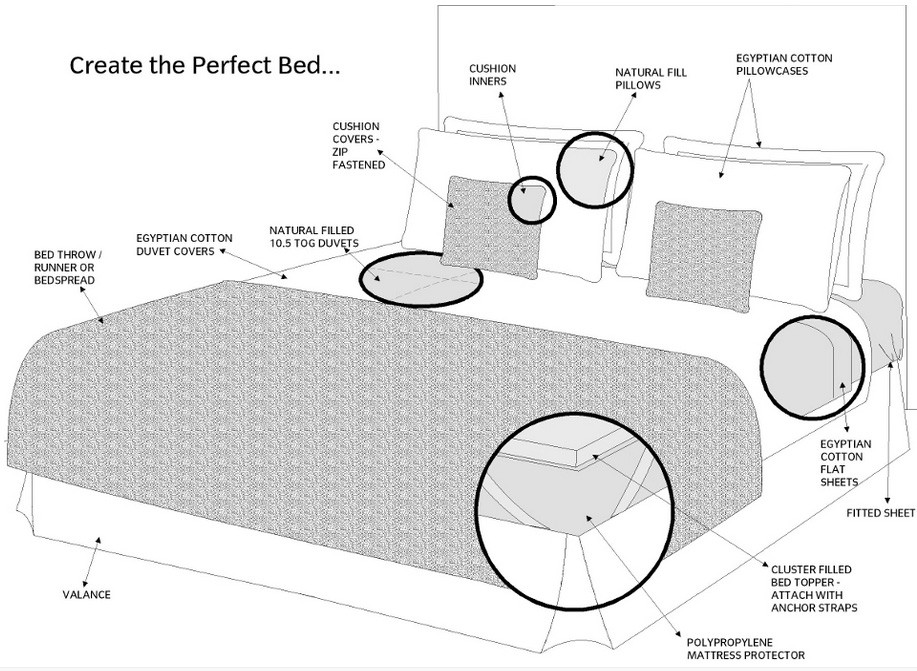
Place one of our valances on the bed base then take a mattress protector and place it over the mattress, add our cluster filled topper with easy to apply anchor straps. Next place either a fitted sheet or flat sheet on top, add a natural filled duvet cover with one of our Egyptian cotton covers, dress with our natural filled pillows covered in either our housewife or mock oxford styled pillowcases, top with a variety of cushions and add a throw or runner to complete the perfect bed.
Thread Count is the number of threads per square inch in the woven fabric of your Egyptian Cotton or Cotton Rich Bedding most commonly used for bed sheets and duvet covers. Are Highest Thread Counts really the best when choosing a new Egyptian Cotton Sheet Set? These are questions most companies simply don't want you to know or ask.
Thread Count, and its determination, is actually one of the biggest and most confusing issues today for consumers. While Consumer Reports has done an excellent job of monitoring Bedding products and trends, certain specifics have remained unanswered.
Are you aware that many either Falsify Thread Counts or intentionally mislead consumers as to the actual Thread Count. Did you know that there is in fact a vast difference in how manufacturers are determining Thread Count for Egyptian Cotton and Cotton Rich Sheets, Duvets Covers and Bedding? Manufacturers from many countries such as Egypt, China, Portugal, India and others are using 2-ply or multiple-ply threads up to 4-ply, claiming the Thread Count of their Egyptian Cotton Sheets and Duvets to be double to quadruple what we consider to be the true value. And, while this may seem trivial on the surface level, the impact is substantial in the quality of product you're receiving. Rather than using one single-ply, Long Yarn Egyptian Cotton or Pure Cotton fibre of excellence, the cheapest fibre are instead twisted together to create a longer "thread."
A closely woven, plain weave, spun fabric made from both carded and combed yarns. Percale sheeting is the finest sheeting available. The high thread count gives the fabric a soft, silk-like feel.
Natural fibres fall into two main groups: protein fibres, which come from animals, and vegetable fibres which come from plants. The main ingredient in all vegetable fibres is cellulose, a carbohydrate found in all plant life. Both cotton and linen are vegetable fibres. Linen is made from the flax plant, cotton is made from the cotton plant.
When you wash a 100% cotton product for the first time it typically will shrink 8-10% with very minimal shrinkage taking place in future washes. 100% Cotton Percale products shrink slightly less, around 5-6%, this is because they are usually have a much higher thread count.
We recommend washing all linens before using. Linens typically come straight from the manufacturing process and for hygiene purposes we washing before use.
Polyester is where long chain polymer fibres are chemically composed of at least 85% by weight of an ester, an dihydric alcohol and a telephthalic acid. When Polyester is woven into the yarn it has a far greater amount of strength and elasticity than a cotton yarn. The polyester yarn also improves the dimensional stability by not shrinking and retaining its original shape. It is more economical friendly, as polyester products dry much quicker and crease less after washing.
Point A - opening of the pillowcase
Point B - envelope flap is tucked inside the pillowcase
Point C - top of the pillowcase showing a cut away section
Point D - pillow
Point E - envelope flap with the pillow tucked into it
Oxford pillowcases have a border round the edge, similar to a flap, but with no purpose except decorative and it is usually used underneath normal pillowcases.
Point A - opening of the pillowcase
Point B - oxford border
Point C - top of the pillowcase showing a cut away section
Point D - pillow
Bag style pillowcases are the most popular pillowcase style in the hospitality sector. The majority of hotels use this style as it allows housekeepers to easily change the bedding when time is an issue.
Point A - opening of the pillowcase
Point B - hemmed edge
Point C - top of the pillowcase showing a cut away section
Point D - pillow
Point E - ends of the pillowcase tuck in on its self
A cotton fabric that has undergone a special finishing process incorporating heat and pressure to appear more lustrous.
In fabrics, jacquard is a design created by weaving differently coloured threads together. Joseph Jacquard invented this decorative weaving technique in 1804. A special loom is used to weave a pattern directly into the fabric.
A Jacquard loom makes it possible to control each warp thread so that each and every warp end can be raised or lowered at will to form an intricate design. Originally controlled by a punched card system sometimes called the first computer, today the loom is fed by computer generated information that eliminates the cards, making design changes faster and more efficient. Jacquard is characterized as a pattern woven into a fabric; either a surface effect, or a pattern produced with coloured yarns.
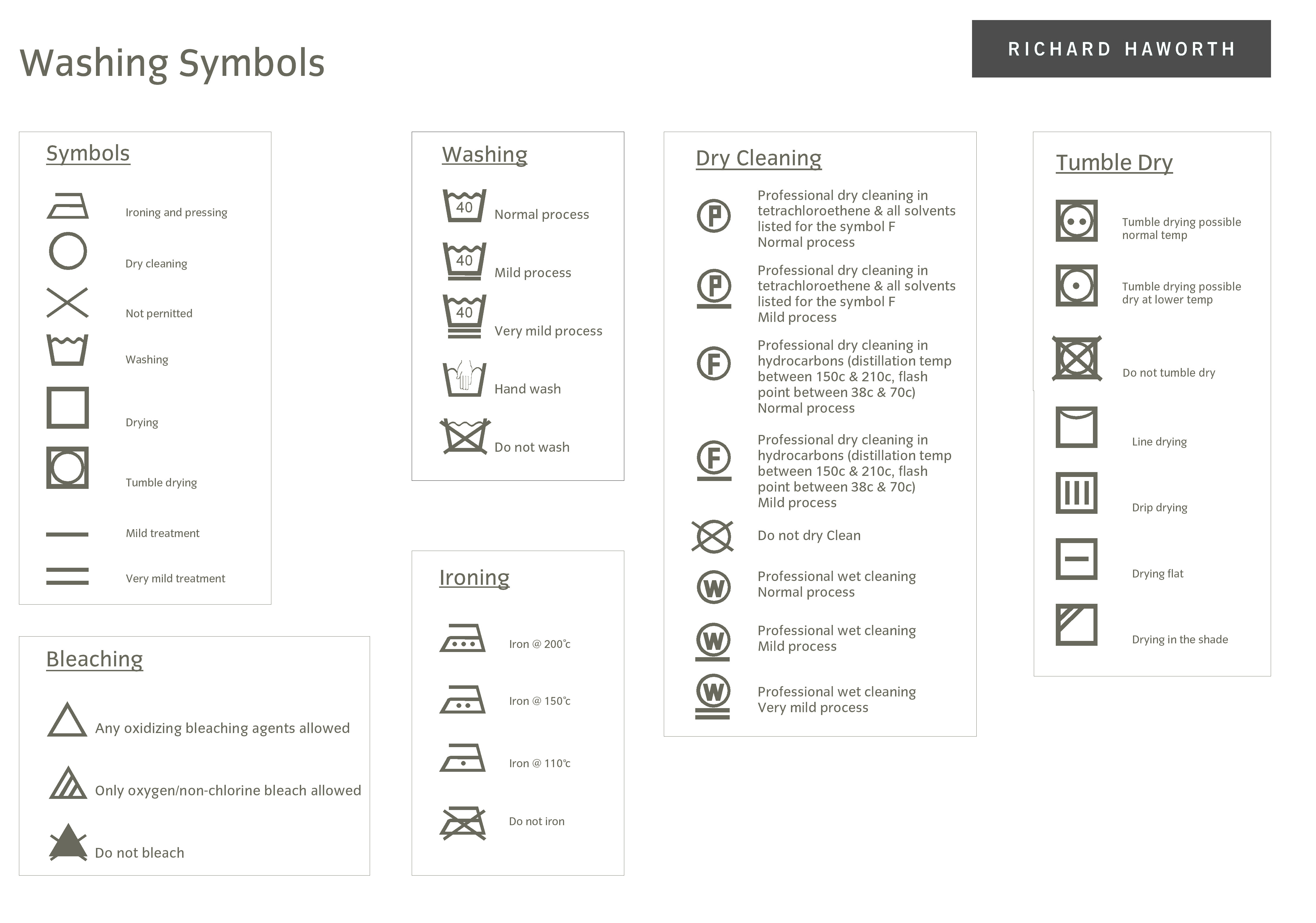
Each item within our hotel bedding comes with specific wash care instructions, follow these instructions and your linens will look like new for longer. Click here to view our wash care symbol guide if you are unsure what any mean.
Click here for our helpful glossary of textile industry terms.
In order to get the best performance from your filled product please follow the 2 simple step by step instructions below:
Remove the item from the outer carton and polythene packaging and lay it flat on the bed, which will allow air to immediately circulate around and begin the expansion process. For pillows, leave for approximately 5 minutes. For duvets and toppers leave up to 24 hours. During this time the product will begin to expand and develop to its normal loft.
Taking the product in each hand and starting at the centre of each side, gently pad. This will allow inner fibres to spread evenly whilst allowing more air to circulate in and around them thus increasing loft throughout the body. Repeat this process until the product appears even. It is very important to ‘tease’ the product and NOT to shake as this will cause compacting of the fibres/filling and produce lumpiness.
Our pillows, duvets and toppers can be washed in a domestic washing machine with the Duvet wash programme, or failing that a Synthetic pgramme. If you r machine does not have one of these settings we advise washing at 30°C and tumble dried on a low heat. After laundering please follow step 2 to return the pillow to normal.
Our duvet covers and sheets generally include a coloured tab or stitching to assist with size identification. When storing linen, ensure the identification marks are easily visible to save time and check stock levels much more efficiently.
Blue tab or stitching - Single size
Orange tab or stiching - Single sheet alternative size
Red tab or stitching - Double size
Gold tab or stitching - King size
Purple tab or stitching - King sheet alternative size
Green tab or stitching - Super King size
Black tab or stitching - Super King sheet alternative size